
Outcome guide · Reset & Recovery
Burnout recovery retreats in Southeast Asia.
A structured reset, not a vacation. Here's how to tell if you need one, what it can and can't fix, the different programme types available across Asia, and which real programmes match.
Signs you might need a structured reset
None of these are a diagnosis — they're common signals people describe before booking a Reset & Recovery programme.
- Chronic fatigue that a normal weekend off doesn't fix
- Sleep that's technically long enough but doesn't feel restorative
- Cognitive fog, slower decision-making, trouble focusing on deep work
- Irritability or emotional flatness that's new for you
- Loss of motivation for things that used to feel rewarding
- Physical signals — headaches, digestive changes, low libido, getting sick more often
What a retreat can do
- Force a genuine break from the environment and inputs that are driving the load
- Put structure around sleep, movement and nutrition for long enough to see a measurable shift
- Give you objective data — a baseline score, sometimes bloodwork — instead of just a feeling
- Pair you with people (coaches, TCM practitioners, clinicians) whose job is to notice what you can't see in yourself
- Hand you a concrete post-trip protocol, not just a nice memory
What it can't do
- Replace therapy or psychiatric care if what you're dealing with is clinical depression or an anxiety disorder, not situational burnout
- Fix a job or life structure that's fundamentally unsustainable — the reset can reveal that clearly, but the change has to happen after you're home
- Produce a permanent result from a single short trip with no follow-through
Dream Islands is a Destination Marketing Organization promoting wellness travel — not a medical institution. This is not medical advice.
Programme types
Comparing your options.
| Type | Best for | Duration | Medical component | Approx. price | Location |
|---|---|---|---|---|---|
| Executive / urban reset | C-suite and founders who can't take two weeks away | 3–5 days | Medical-grade, biometric baseline | $1,050–$1,700 | Singapore |
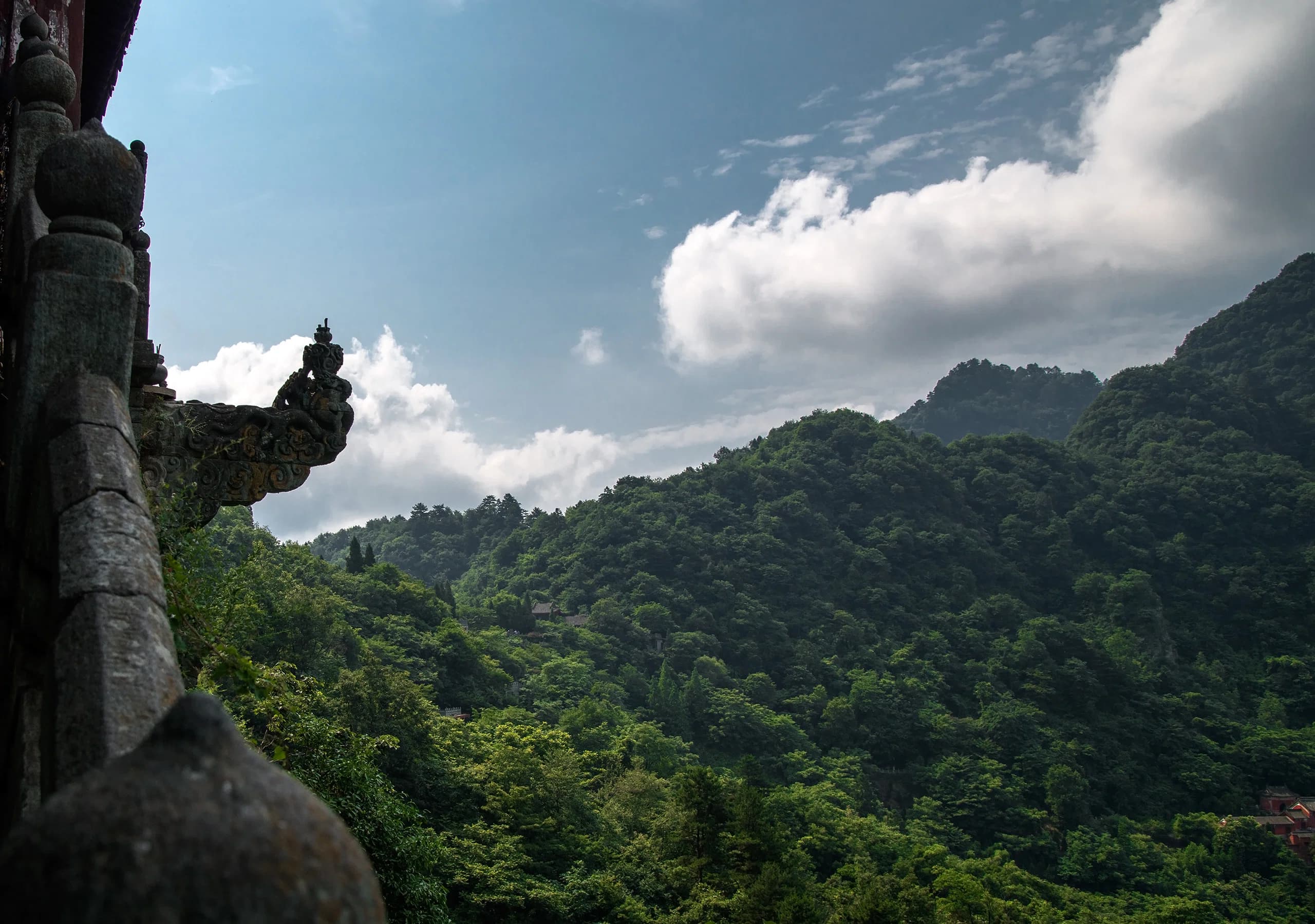
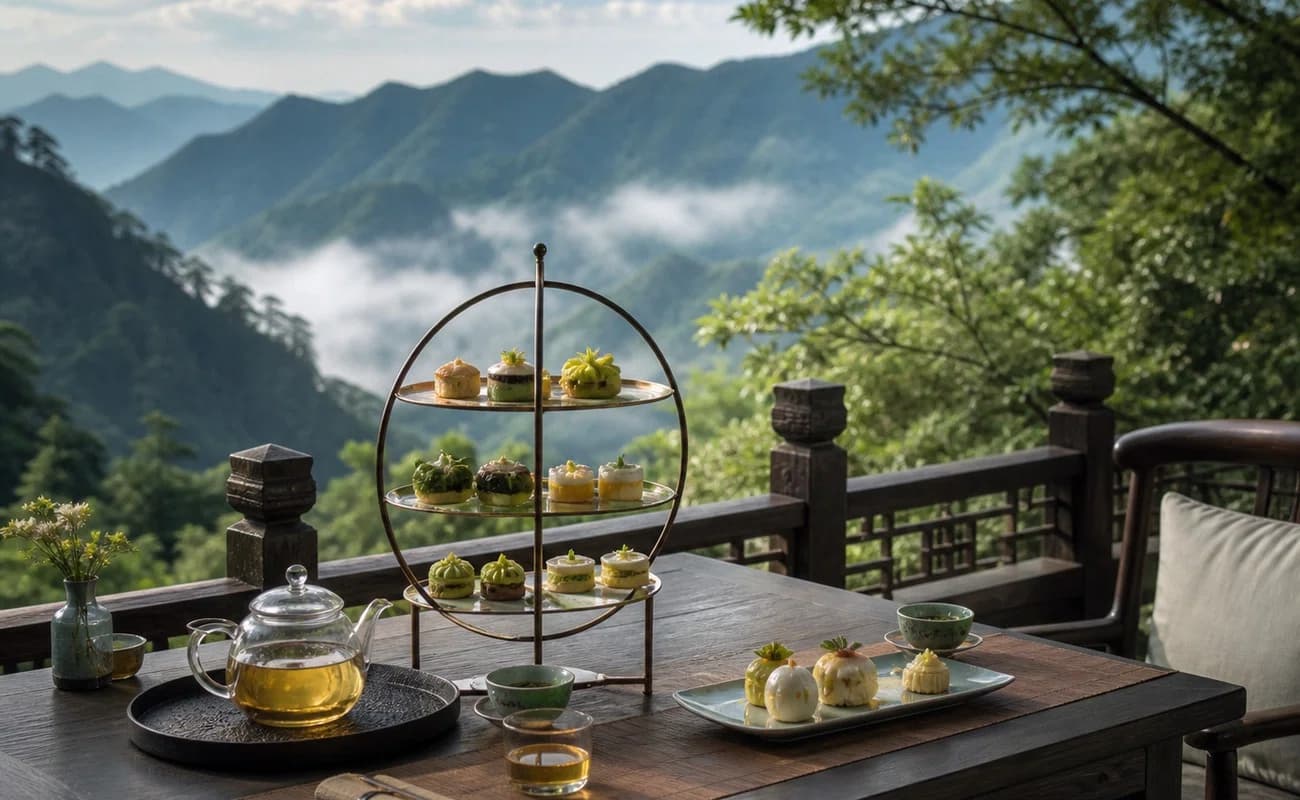
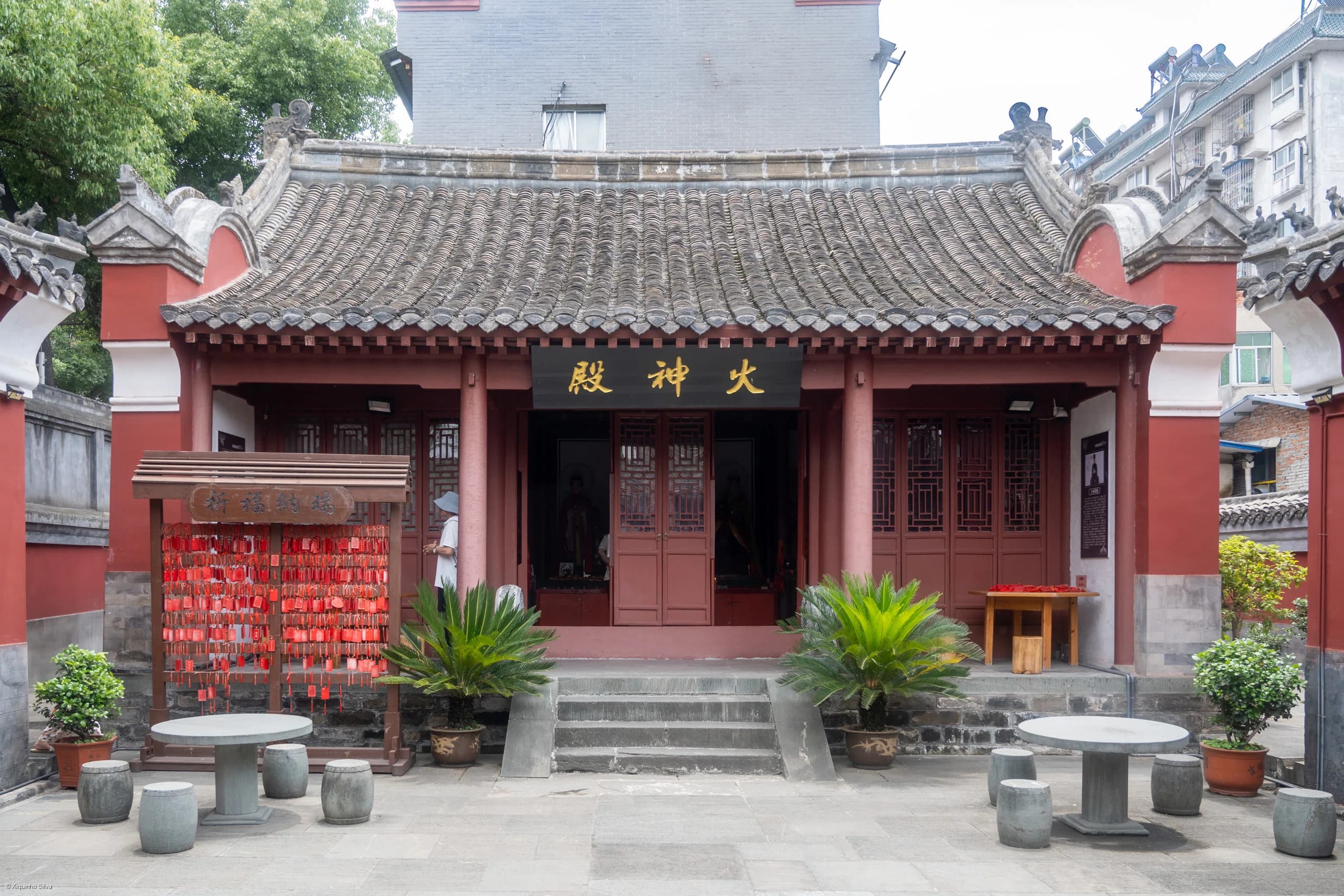
| Mountain TCM retreat | Deeper digital detox with traditional Chinese medicine diagnosis | 5 days | TCM diagnosis, daily coaching | ~$2,000 | Wudang Mountain, China |
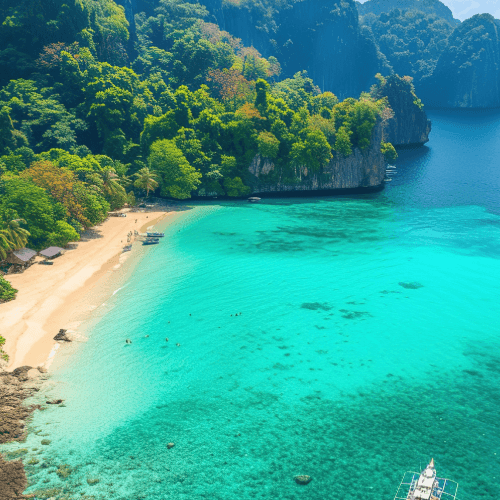
| Nature / forest detox | Lower-cost entry point, less clinical, more nature-led | 5–7 days | Cultural + nature-based, no medical component | $600–$875 | Penang, Malaysia |
| Structured multi-stage detox | First-timers who want a proven, flexible-length protocol | 6–11 days | Daily clinical sessions, circadian reset | $990–$2,390 | Koh Samui, Thailand · Bintan, Indonesia |
| Medical-grade hot springs reset | Combining detox with a functional-medicine introduction | 3–5 days | TCM consultation, medical baseline | $1,200–$2,200 | Mile, Yunnan, China |
Real matched programmes
Actual burnout-recovery programmes.
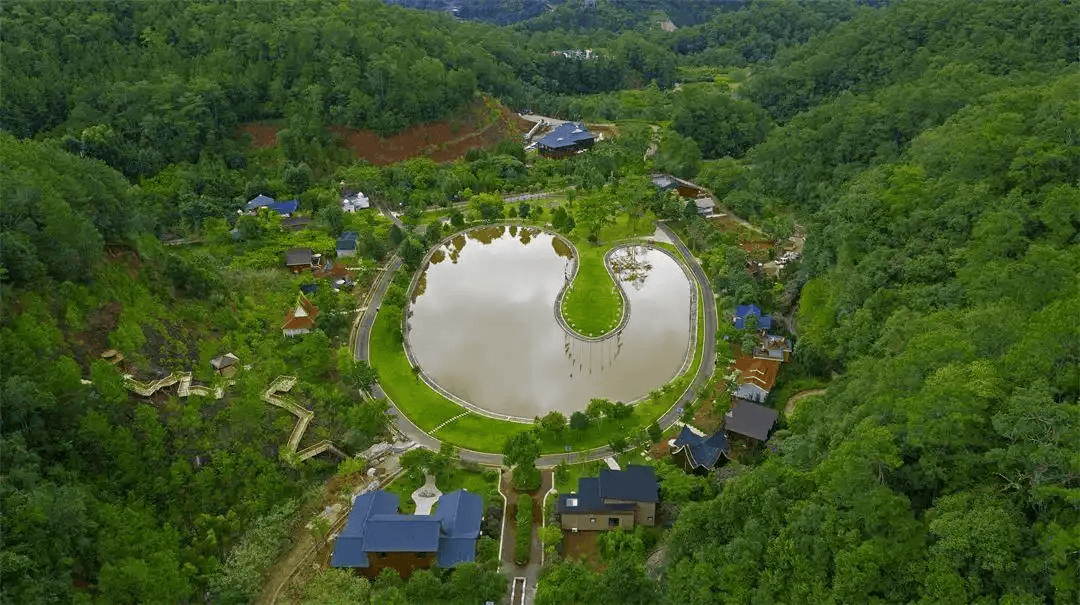

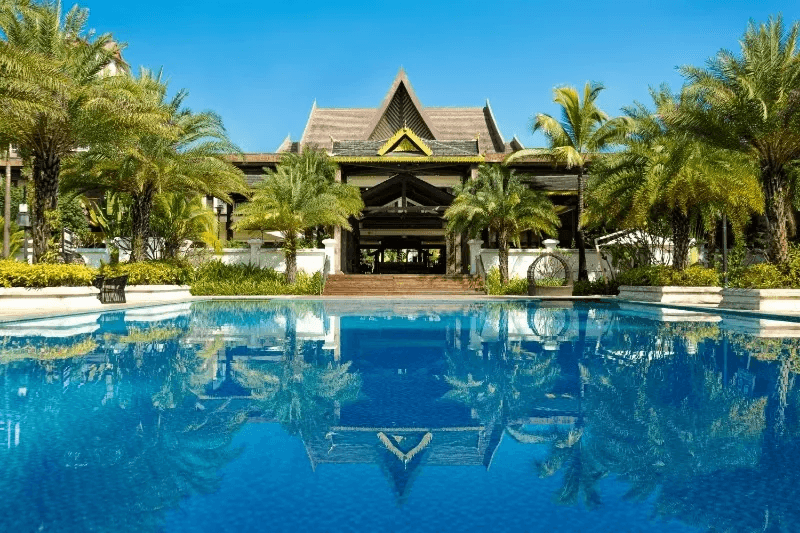
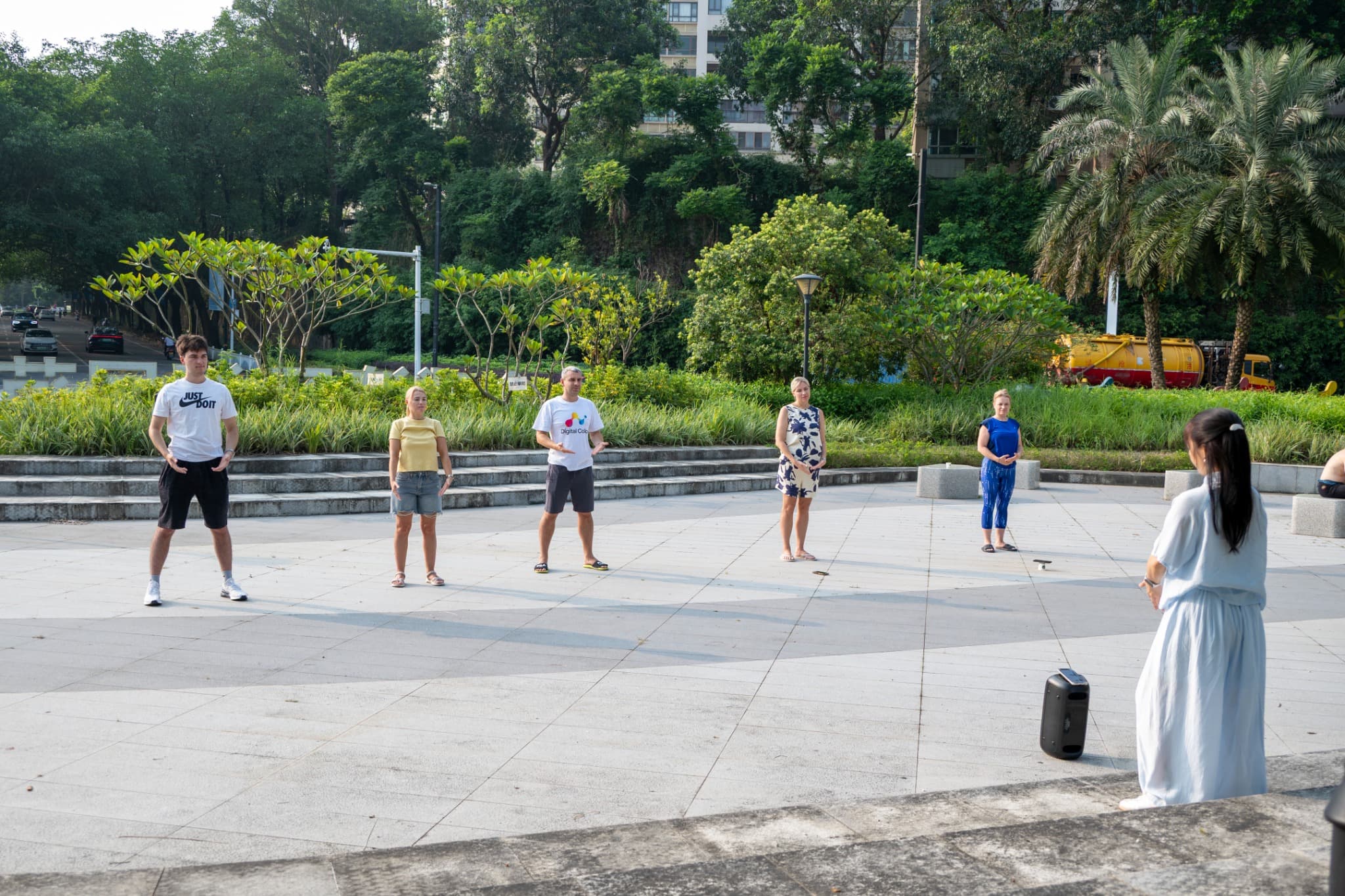
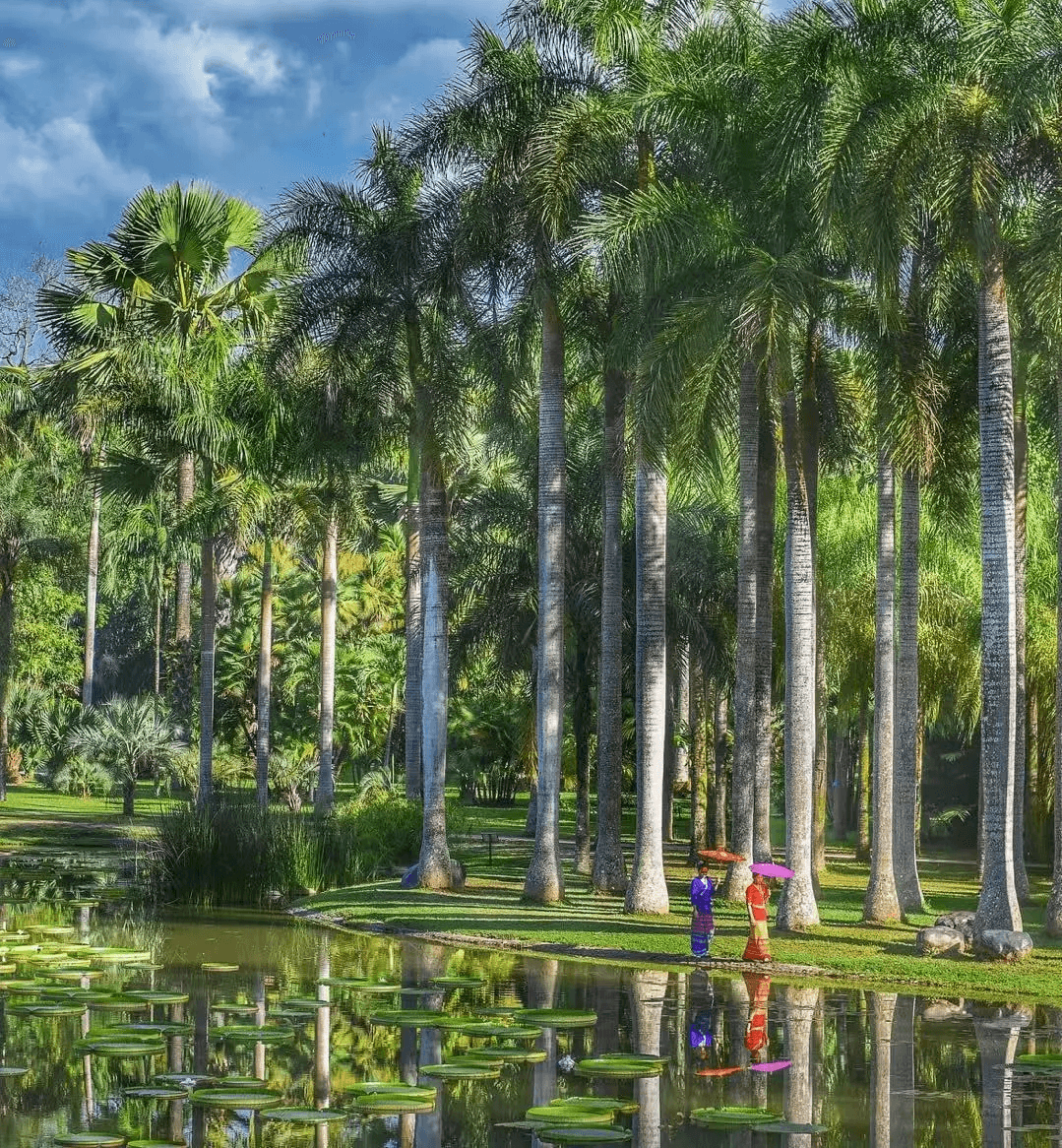
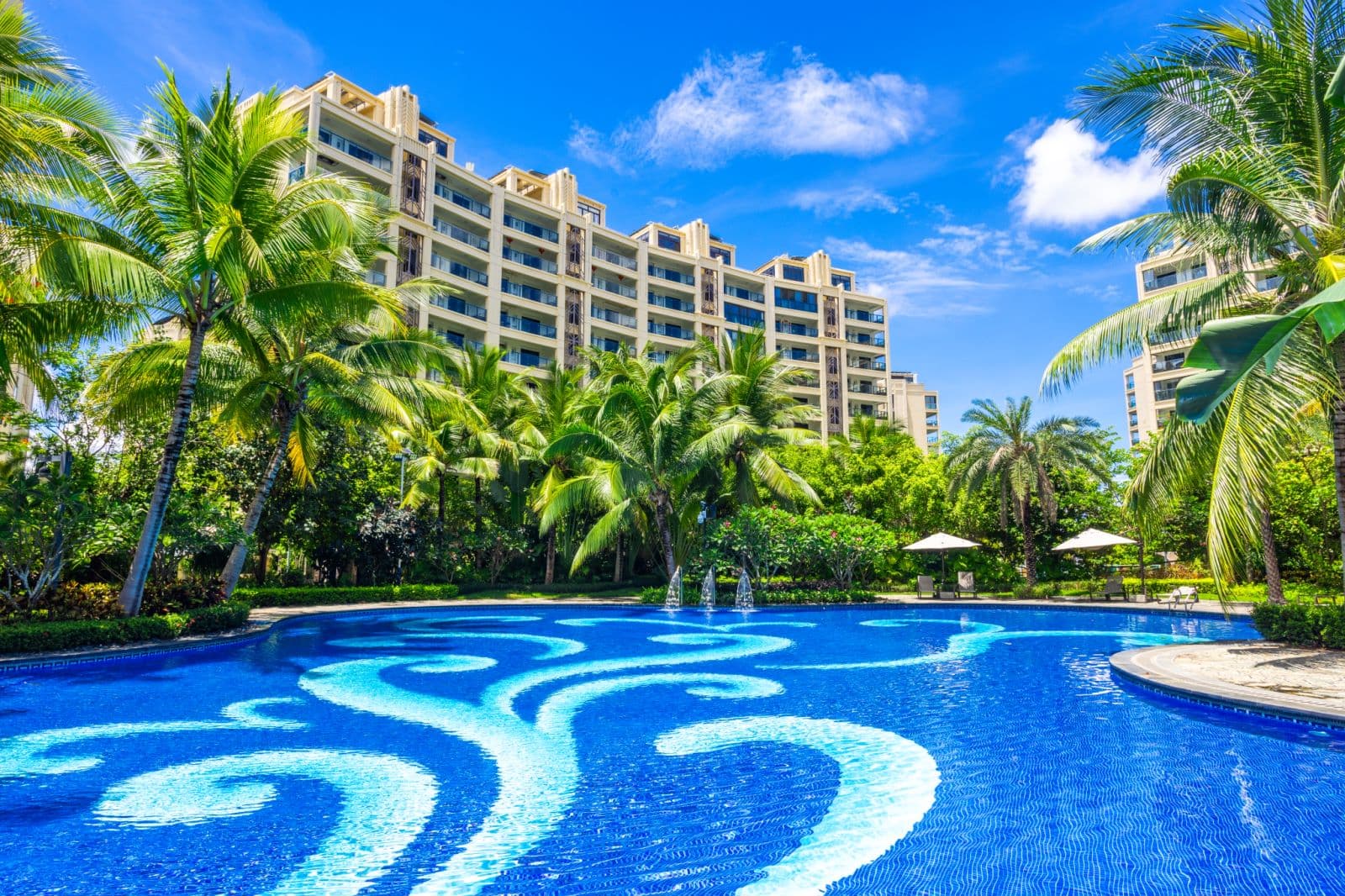
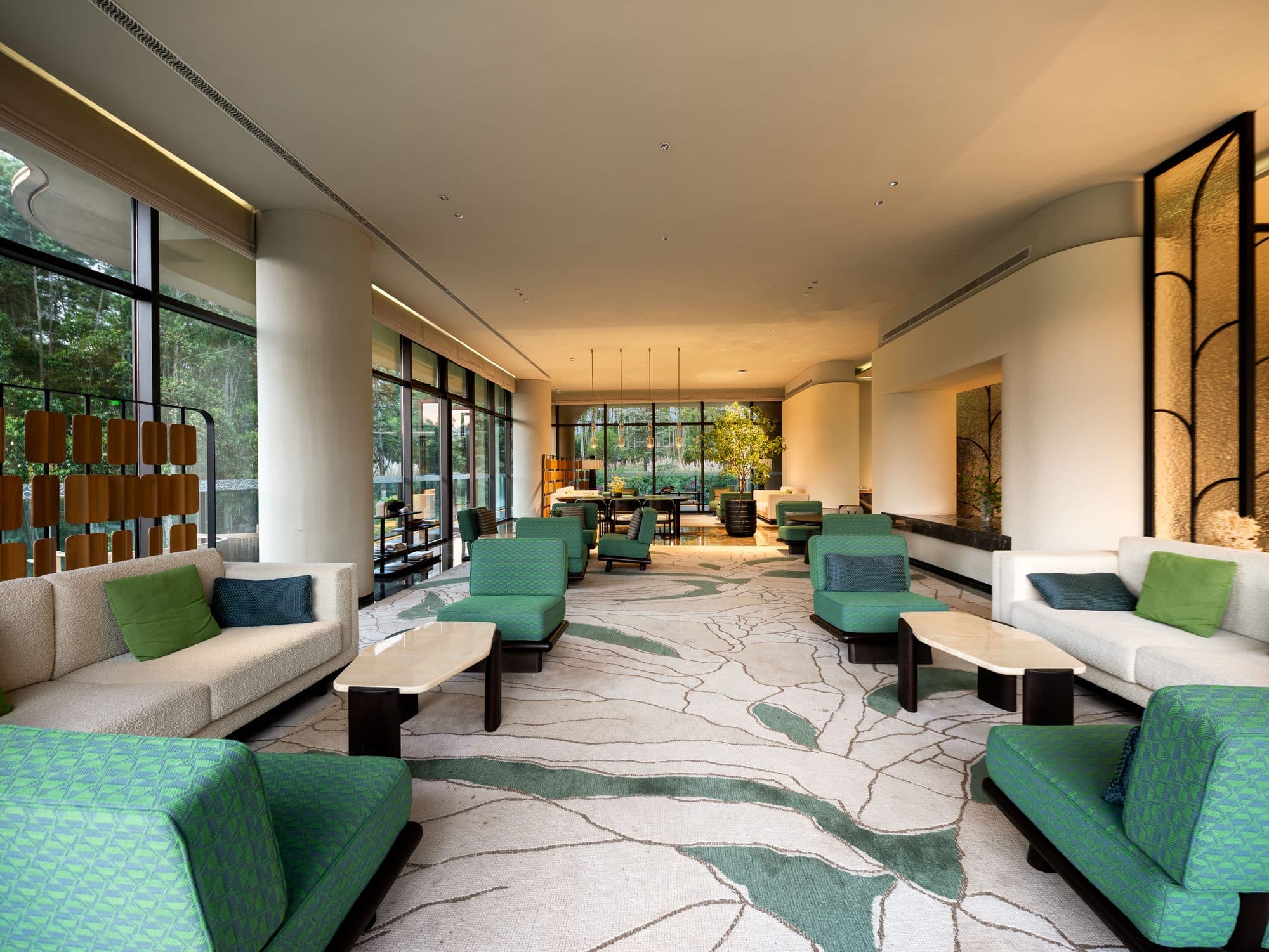
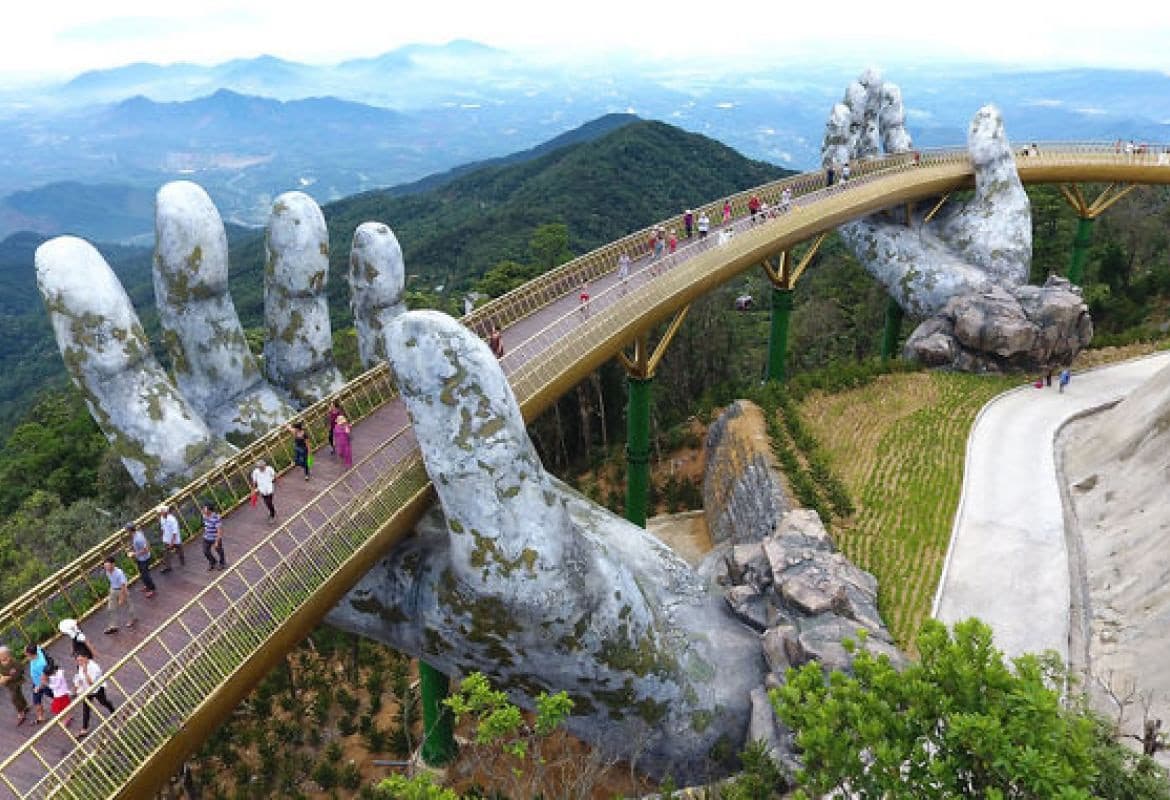
Mile Dongfeng Yun Muxingu Bilangwan Hot Spring Wellness Resortfrom $1,8105 days
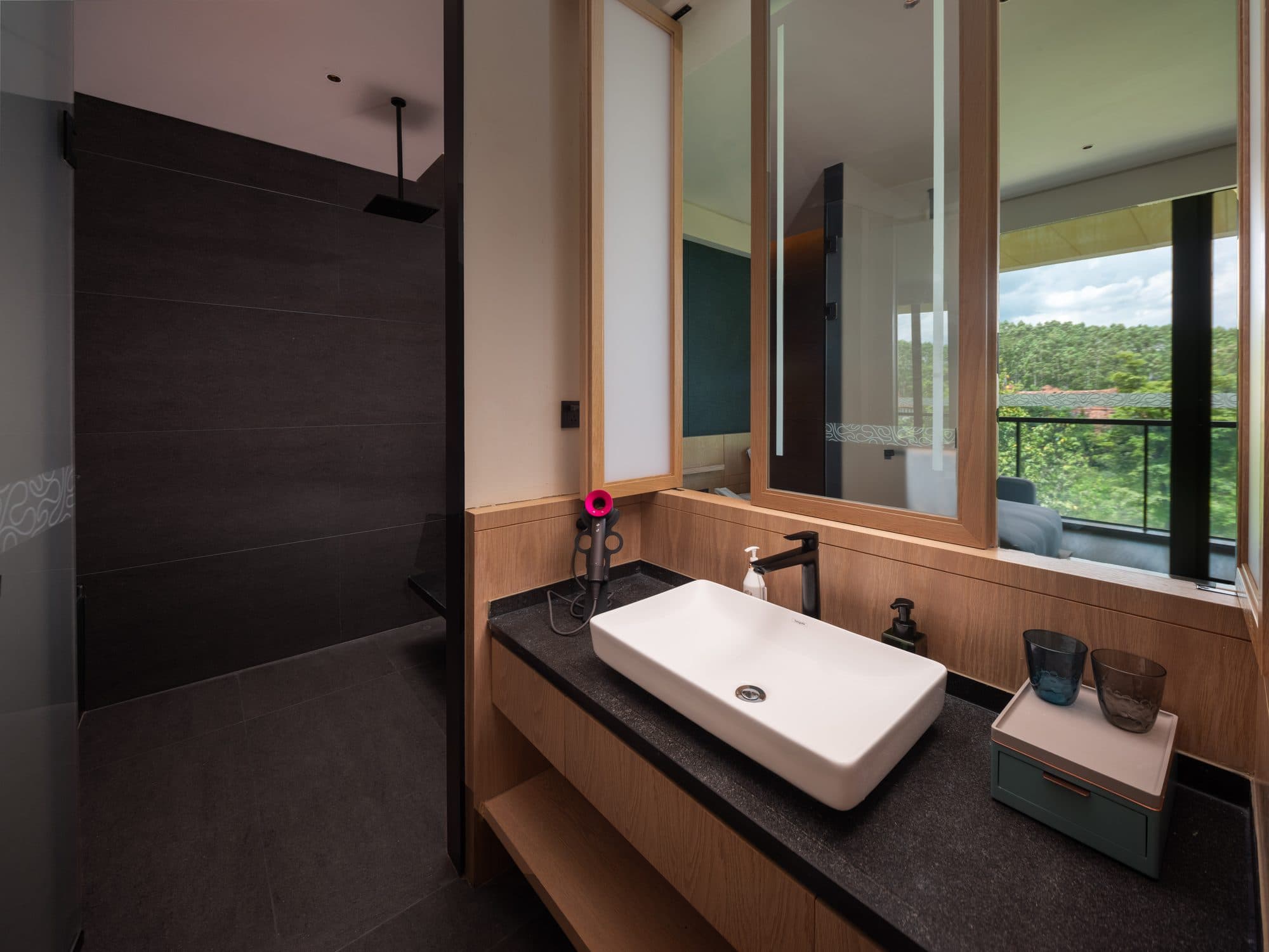
Mile Dongfeng Yun Muxingu Bilangwan Hot Spring Wellness Resortfrom $9003 days






Frequently asked
Before you book.
How long does a burnout recovery retreat actually need to be?
It depends on what you're trying to shift. A 3-day executive reset can improve sleep and reduce acute stress markers if you need something you can fit around work. Most people see a more durable shift at 5–7 days, where there's time to establish new sleep and movement patterns, not just rest. Composite protocols of 8–11 days go further — deeper detox work plus a structured take-home plan.
Is a wellness retreat a substitute for therapy?
No. A retreat can reset physical baseline — sleep, energy, inflammation markers, stress load — and give you space to think clearly. It is not a substitute for therapy or psychiatric treatment if what you're experiencing is clinical depression, an anxiety disorder, or another condition that needs diagnosis and ongoing care. Dream Islands is a Destination Marketing Organization, not a medical institution, and our programmes are wellness travel, not medical treatment.
What's the difference between a detox retreat and a burnout recovery programme?
A detox retreat is usually built around a specific physical protocol — diet, cleanse, TCM or spa treatments — aimed at markers like inflammation, energy or weight. A burnout recovery programme is built around the stress/recovery cycle specifically: sleep architecture, nervous system regulation, digital detox and often a coaching or biometric component. Several programmes combine both.
Do I need to travel far for burnout recovery if I'm based in Singapore, Hong Kong or another Asian city?
No. Several programmes are designed specifically for zero-travel-friction resets — a 3–5 day executive protocol in Singapore, for example, needs no long-haul flight and no jet lag to recover from before you've even started.