Outcome guide · Mind Balance
Sleep and nervous system reset retreats in Asia.
A structured protocol for sleep architecture and an overactive nervous system, not just a quiet room. Here's how to tell if you need one, what it can and can't fix, the programme types available across Asia, and which real programmes match.
Signs you might need a sleep reset
None of these are a diagnosis — they're common signals people describe before booking a Mind Balance programme.
- Falling asleep fine but waking at 2–4am wired, unable to get back down
- Feeling “tired but wired” — exhausted all day, unable to switch off at night
- Relying on screens, alcohol or sleep aids just to fall asleep
- Waking up as tired as when you went to bed, even after 7–8 hours
- Heart rate or mind racing at bedtime with no clear trigger
- Recovery metrics that haven't improved despite taking rest days
What a retreat can do
- Rebuild a consistent sleep-wake rhythm using structured light exposure, movement timing and a screen-free wind-down
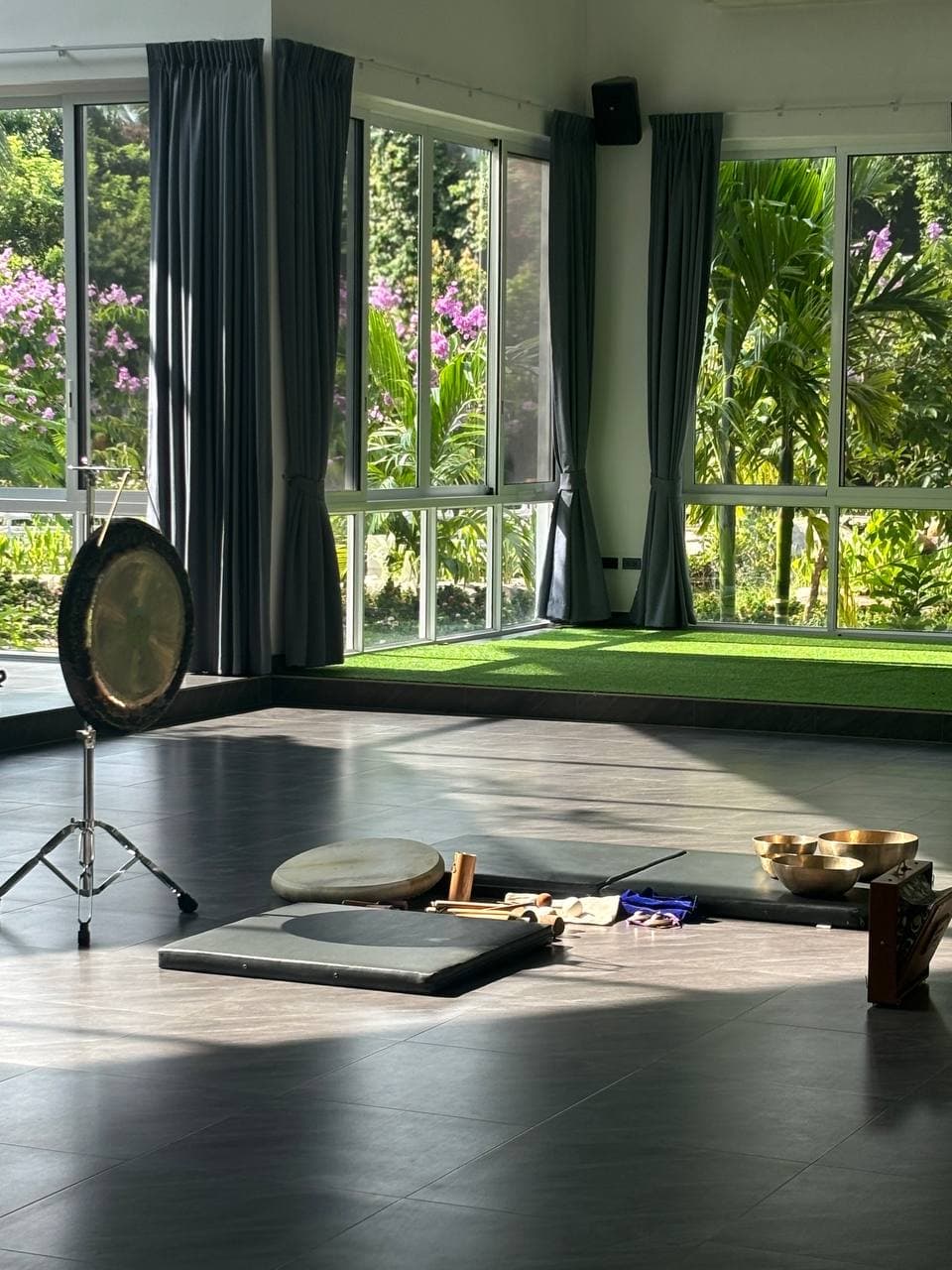
- Down-regulate an overactive nervous system through breathwork, TCM diagnosis or sound therapy rather than sedatives
- Give you objective sleep and recovery data instead of guesswork
- Remove the environment — notifications, late meetings, blue light — that's keeping your nervous system in a low-grade alert state
- Hand you a specific take-home sleep protocol, not just a few good nights away
What it can't do
- Diagnose or treat a clinical sleep disorder such as sleep apnea or chronic insomnia disorder — that needs a sleep-medicine specialist
- Fix a sleep environment or schedule at home that's fundamentally incompatible with rest — shift work, a newborn, a noisy city bedroom
- Produce a lasting result from one trip if the habits that broke your sleep in the first place don't change afterward
Dream Islands is a Destination Marketing Organization promoting wellness travel — not a medical institution. This is not medical advice.
Programme types
Comparing your options.
| Type | Best for | Duration | Medical component | Approx. price | Location |
|---|---|---|---|---|---|
| Dedicated sleep & nervous-system protocol | People whose main issue is sleep architecture specifically | 8 days | Sleep-focused clinical sessions, sound therapy | from $1,790 | Koh Samui, Thailand |
| Short mind-reset intro | First-timers wanting a low-commitment introduction to Daoist practice | 3 days | Taiji, Qigong, meditation, no clinical component | from $650 | Wudang Mountain, China |
| Full digital detox | Screen-driven overstimulation and a racing mind at night | 10 days | No screens, structured silence, nature immersion | from $1,050 | Langkawi, Malaysia |
| Executive reset with sleep protocol | C-suite and founders who need a biometric baseline plus a concrete sleep plan | 5 days | Biometric baseline, structured sleep protocol, follow-up plan | from $1,700 | Singapore |
| Meditation-led reset | Lower-cost, nature-based nervous-system down-regulation | 5 days | Guided meditation, sound healing, journaling | from $750 | Koh Phangan, Thailand |
Real matched programmes
Actual sleep & nervous-system programmes.




Frequently asked
Before you book.
How is a sleep-reset retreat different from a regular wellness retreat?
A sleep-reset programme is built specifically around sleep architecture and nervous-system regulation — structured light exposure, movement timing, a screen-free wind-down, and often TCM diagnosis or sound therapy — rather than general relaxation. It's a targeted protocol, not a vacation with better bedding.
Can a retreat actually fix insomnia?
It depends on the cause. Situational sleep disruption — driven by stress, travel, screens, or an overactive nervous system — often responds well to a structured reset. A diagnosed clinical insomnia disorder or sleep apnea needs a sleep-medicine specialist. Dream Islands is a Destination Marketing Organization, not a medical institution, and this is not medical advice.
How many days does it actually take to reset a sleep cycle?
A 3-day programme introduces the practice and can shift acute stress. Most people see a measurable change by day 5–8, once light exposure, movement timing and a screen-free wind-down have run for long enough to matter. Longer, more clinical protocols go deeper into diagnostics and follow-through.
Will jet lag undo the reset before it even starts?
For some people, yes — which is why a zero-travel-friction option exists: a 5-day executive protocol in Singapore needs no long-haul flight. If you can travel further, the trade-off is a deeper protocol and, in places like Wudang Mountain or Koh Samui, a more immersive environment to rebuild the rhythm in.